

ICSI Explained: How Intracytoplasmic Sperm Injection Works
Intracytoplasmic sperm injection, commonly known as ICSI, is one of the most precise and effective tools in modern reproductive medicine. Developed as an advanced form of in vitro fertilization, ICSI has transformed outcomes for individuals and couples facing a range of fertility challenges. Understanding how it works is an important first step for anyone exploring their options.
What Is ICSI and How Does It Work?
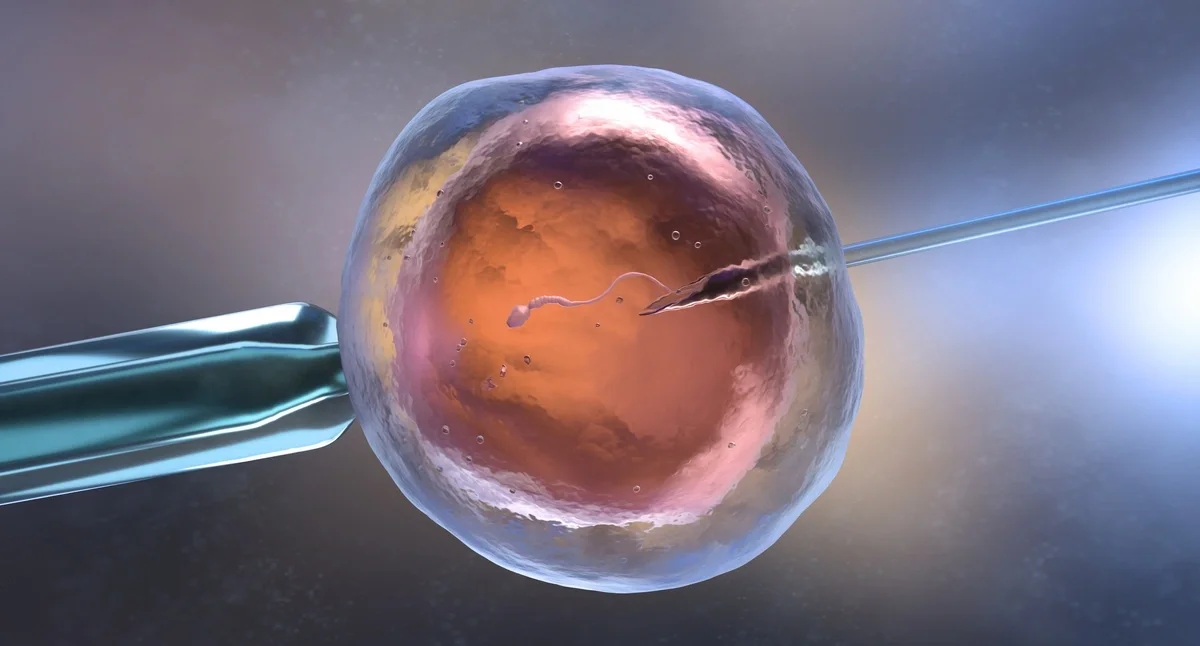
ICSI is a laboratory procedure performed as part of an IVF cycle. Rather than allowing sperm and egg to fertilize on their own in a dish, an embryologist uses a microscopically thin needle to inject a single sperm directly into a mature egg. This precise technique bypasses many of the barriers that can prevent natural fertilization. Once fertilization is confirmed, the resulting embryo is cultured in the laboratory and, when ready, transferred to the uterus.
Who Is a Candidate for ICSI?
ICSI is indicated across a broad spectrum of fertility situations. It is most commonly recommended when there are significant male factor concerns, including low sperm count, poor sperm motility, or abnormal sperm morphology. ICSI is also used when sperm must be surgically retrieved rather than collected through ejaculation. Beyond male factor infertility, ICSI may be recommended following prior IVF cycles with unexplained fertilization failure, for patients using frozen eggs, and for individuals pursuing fertility preservation before cancer treatment who plan to use those eggs in the future. Same-sex female couples and single women using donor sperm may also benefit from ICSI, particularly when egg quality or other clinical factors are a consideration.
ICSI Success Rates and the Question of Multiples
ICSI fertilization rates are generally strong, though overall success depends on several variables including age, egg quality, and embryo development. When a single embryo transfer is performed — which is the standard recommendation at most fertility centers — the likelihood of a twin or higher-order pregnancy is significantly reduced.
To learn whether ICSI is the right approach for your fertility journey, schedule a consultation with the specialists at NYU Langone Fertility Center.
Categories
The NYU Langone Fertility Center Blog
At NYU Langone Fertility Center, our first job is to support our patients as they become educated about their reproductive health and fertility treatment options. Our blog connects patients with the most up-to-date information, technologies, and insights into fertility care. From egg freezing to IVF to third-party reproduction options, we explore every facet of assisted reproductive technology and empower patients with the knowledge they need to navigate their family building journeys.